一年省下數億廣告費?
在傳統品牌瘋狂爭奪超級巨星代言、
一、
Zara 的
這種
二、
不同
這種
三、
進入
這種
四、
Zara 的
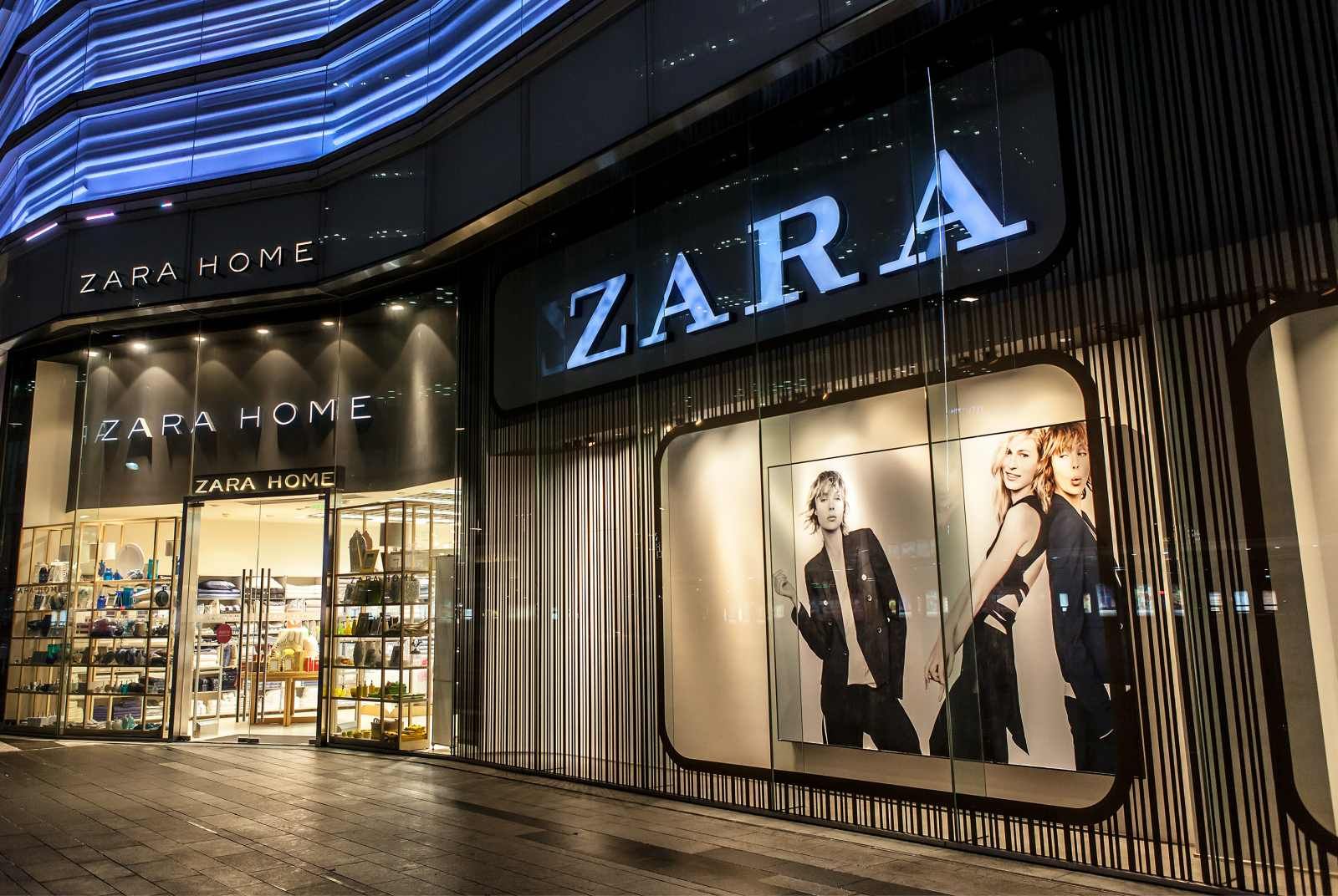
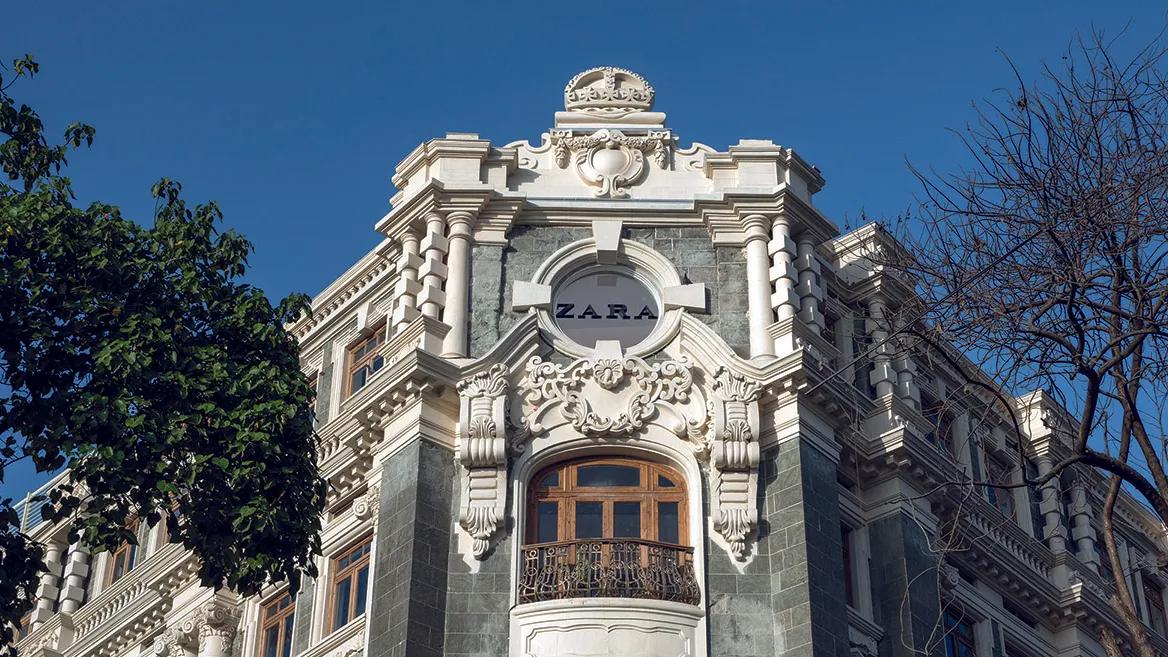
01. The Store as Media: Psychological Authority through Proximity Zara’s marketing budget accounts for only 0.3% of its revenue, far below the industry average. These saved billions are instead poured into prime real estate worldwide. Their PR logic is simple: "Location defines Identity." By placing flagship stores on New York's Fifth Avenue, London's Regent Street, or Paris's Champs-Élysées, right next to Prada and Gucci, the brand undergoes an automatic psychological upgrade in the minds of consumers.
This "Window Marketing" replaces the persuasive power of spokespeople. For Zara, expensive storefronts are the most powerful billboards. The brand doesn't need to loudly proclaim its fashion status; because when you pass a Zara on your way to Louis Vuitton, visual parity is established. Consumers subconsciously equate Zara’s designs with high-end taste.
02. The Psychology of Hunger: Creating the Illusion of "Now or Never" Unlike traditional retailers with seasonal updates, Zara adopts a "small batch, high variety" model. This tactic leverages a potent psychological trigger: "If you don't buy it today, it will be gone tomorrow." Each Zara design has extremely limited stock, and replenishment is rare.
This artificial scarcity is more effective at driving purchase intent than any celebrity endorsement. It successfully shifts marketing from "pushing products" to "solving anxiety." Customers enter the store not to find "the dress in the ad," but to "own it before it's gone." This cycle of temptation ensures high turnover and frequent return visits.
03. The 2026 Data Pivot: AI-Driven Silent Precision In 2026, Zara’s silent marketing has evolved into "Data Mind-Reading." It still avoids celebrity faces, yet understands consumers better than anyone. Through global store feedback systems and AI-driven social monitoring, Zara can materialize the trendiest street styles within 9 days.
This "Responsive Design" makes consumers feel the brand truly understands their needs. While other brands wait for celebrity outfits to drive trends, Zara has already delivered them to the fitting room. This is a deep psychological connection: loyalty stems not from star worship, but from the trust that "this brand always meets my aesthetic."
04. Conclusion: The Power Logic Behind Silence Zara’s success proves that in an era of information explosion, "Silence" is a powerful form of communication. The saved advertising costs are converted into faster logistics, better locations, and competitive pricing. This offers a key insight: when your product possesses powerful "immediacy" and "psychological positioning," expensive marketing becomes redundant.